Roaring Into Research: The Kindergarten Zoo Unit!
Submitted by The Kindergarten Team, Tricia Fiore, Teresa Cali, Kristina DelleFave, Meghna Mathur, and C.J. Trentacosta
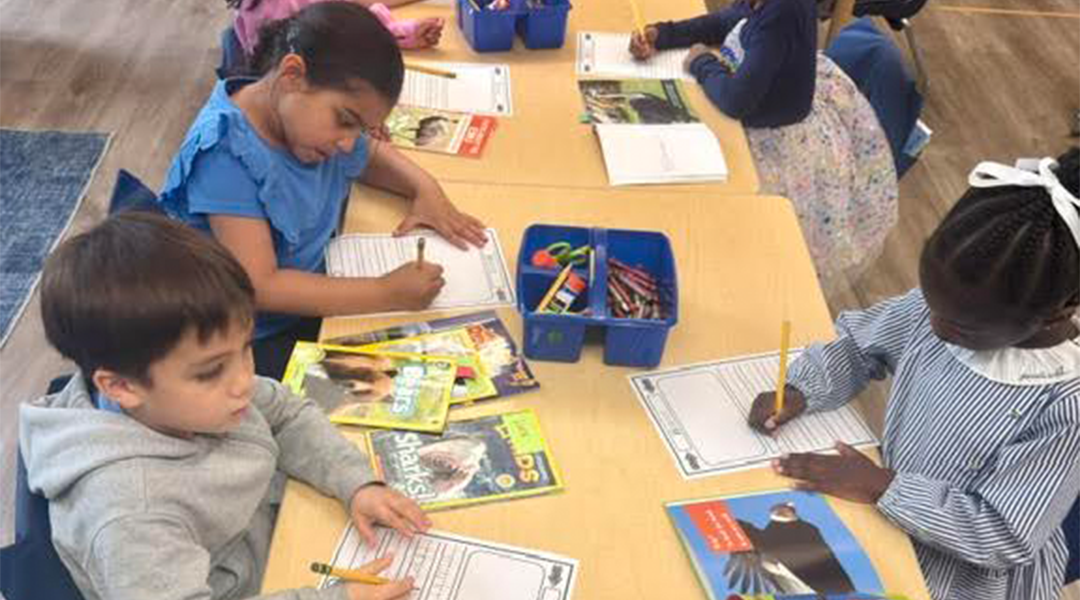
We are thrilled to announce that our Kindergarteners have officially begun their most immersive adventure yet: a deep dive into the world of zoo animals and their habitats! Throughout this unit, our classrooms have transformed into hubs for “young researchers.” Our students aren’t just learning facts; they are discovering how to uncover the wonders of the natural world.
To support this journey, teachers are guiding students through a structured, age-appropriate research process. Together, we are:
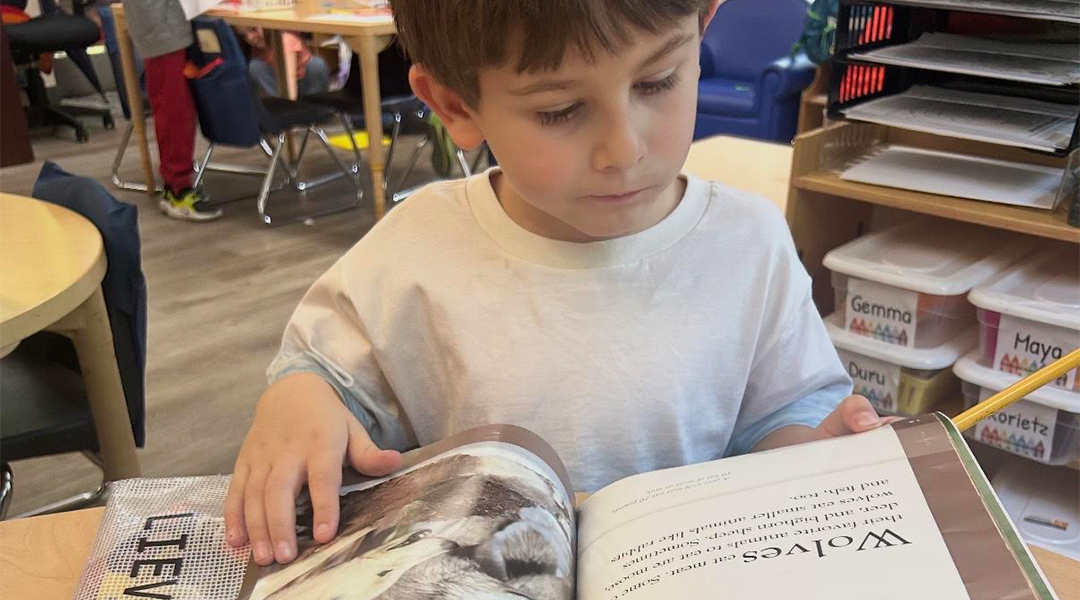
- Exploring Resources: Diving into nonfiction books and educational videos.
- Gathering Facts: Learning to ask big questions and identify key information.
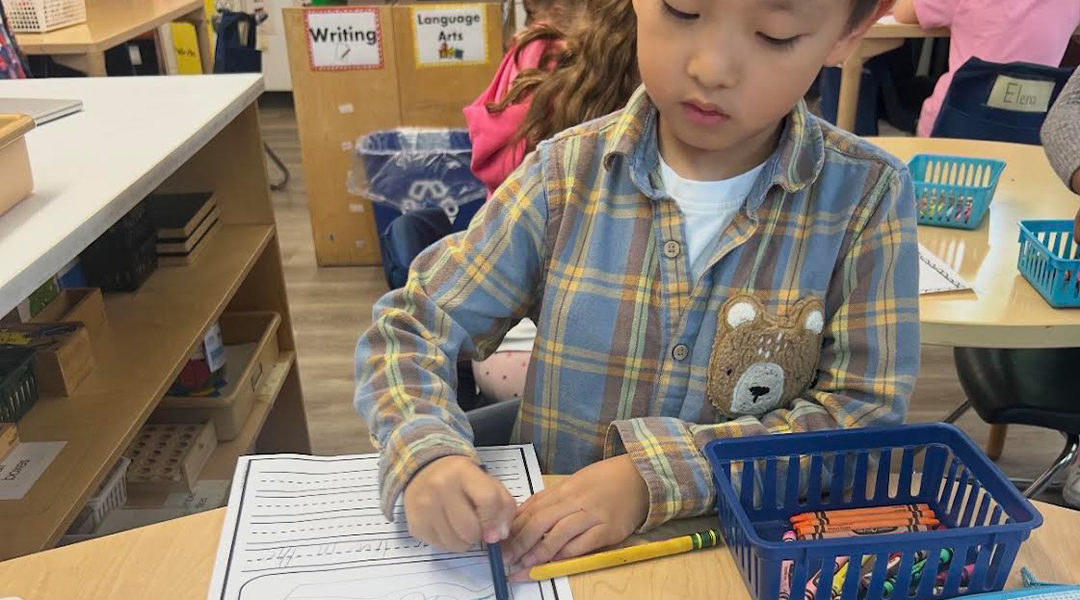
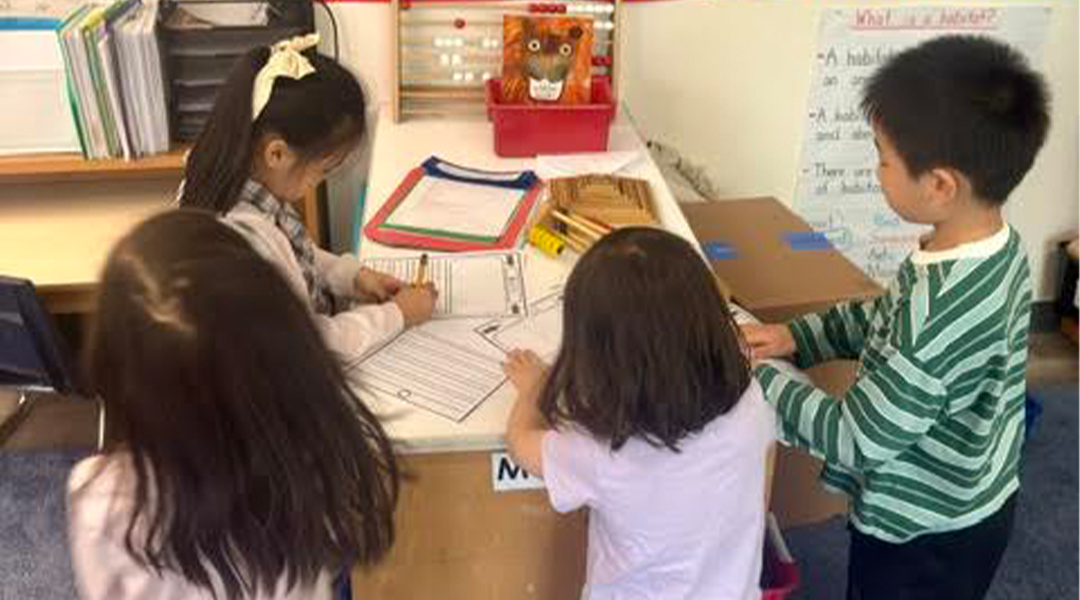
- Recording Discoveries: Using a mix of detailed illustrations, labels, and simple sentences to document what we learn about animal diets, body features, and survival skills.
Each child will focus on a specific animal, building confidence as they organize their findings into their very first research paper. We celebrate phonetic spelling and creative expression as these budding authors find their voices!
At this age, research is about more than just facts, it’s about nurturing curiosity. By learning how to use books and resources to answer their own questions, students build critical thinking skills, independence, and a lifelong love for learning.
To deepen their understanding, our classes will be heading to Turtle Back Zoo! This field trip allows students to observe animal behaviors and habitats up close, bridging the gap between the classroom and the real world.
The grand finale of our unit is a collaborative effort! Students and families will work together to create habitat dioramas that represent their chosen animals. Once projects are complete, families are invited to an informal presentation on Mr. Rocky’s Field. This is a special moment for our students to proudly share their dioramas and “expert” knowledge with the community.
We can’t wait to see these young scientists in action!