Boosting Brains in Spanish Class
Submitted by Janet Garcia-Levitas, Preschool 3-3rd Grade Spanish Teacher
There are many benefits derived from learning a new language, such as increasing core cognitive skills, including reasoning, problem solving, and memory, along with improving communication and intercultural skills, but new studies are discovering ways in which learning a language affects our brains. With the introduction of MRI technology, researchers are now able to see the differences between monolingual brains and bilingual brains on a visual level.
While everyone’s brain is made up of neurons, which have a cell body, and dendrites, with connections between neurons, called “gray matter”, bilingual people have more of these neurons and dendrites compared to people who speak only one language. This means that their gray matter is denser. Bilingualism also has an impact on “white matter,” a system of nerve fibers which connect all four lobes of the brain. This system coordinates communication between the different brain regions, helping your brain to learn and function. Bilingual adults have increased white matter compared to adults who only speak one language. Their second language experience boosts their brain’s reserves.
Due to the measurable impact of language learning on the brain, these physical changes are accompanied by the improvement of certain other skills such as communication, creativity, recall, and concentration. Bilingual children exhibit more creativity in problem-solving and flexibility than their monolingual peers. The same holds true for learners of a second language.
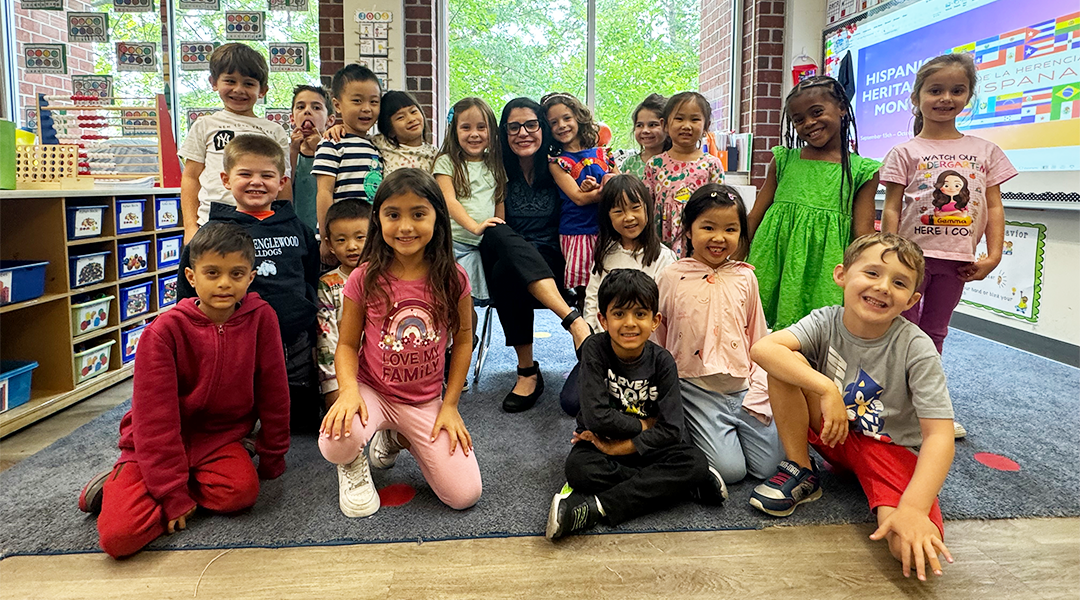
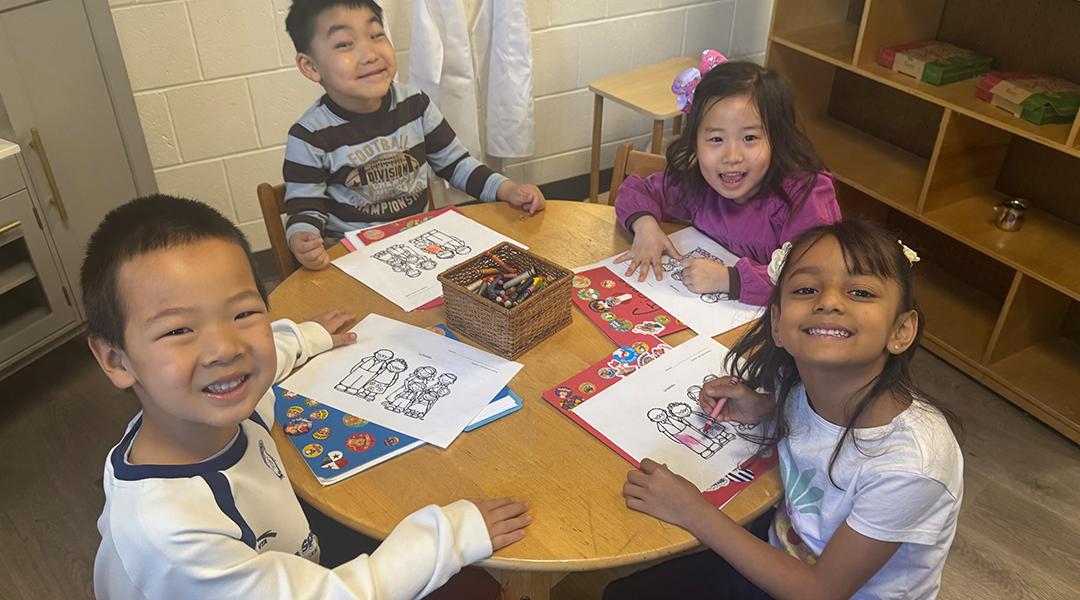
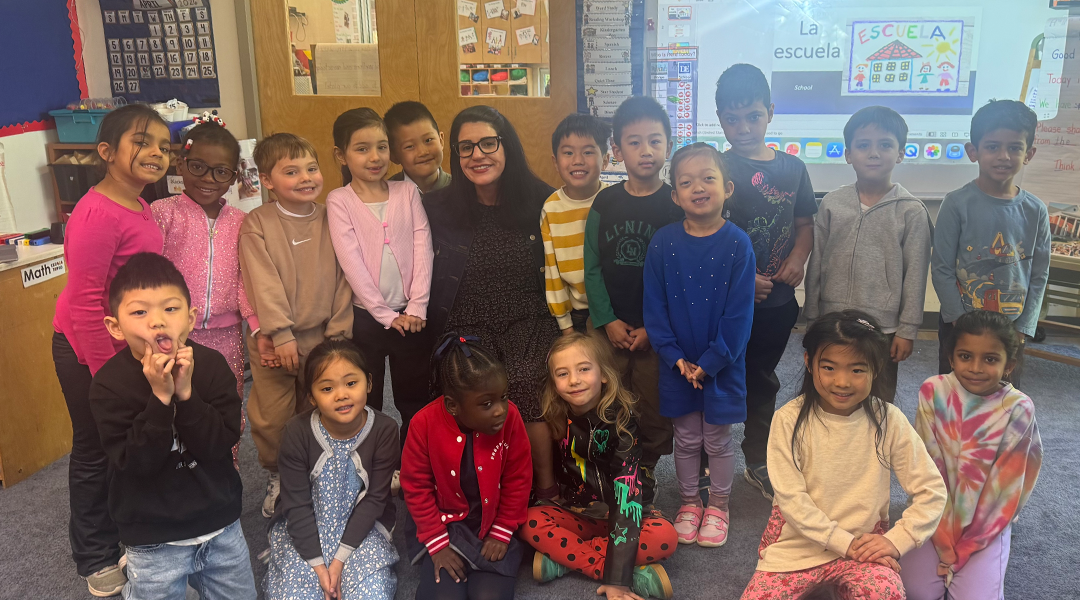
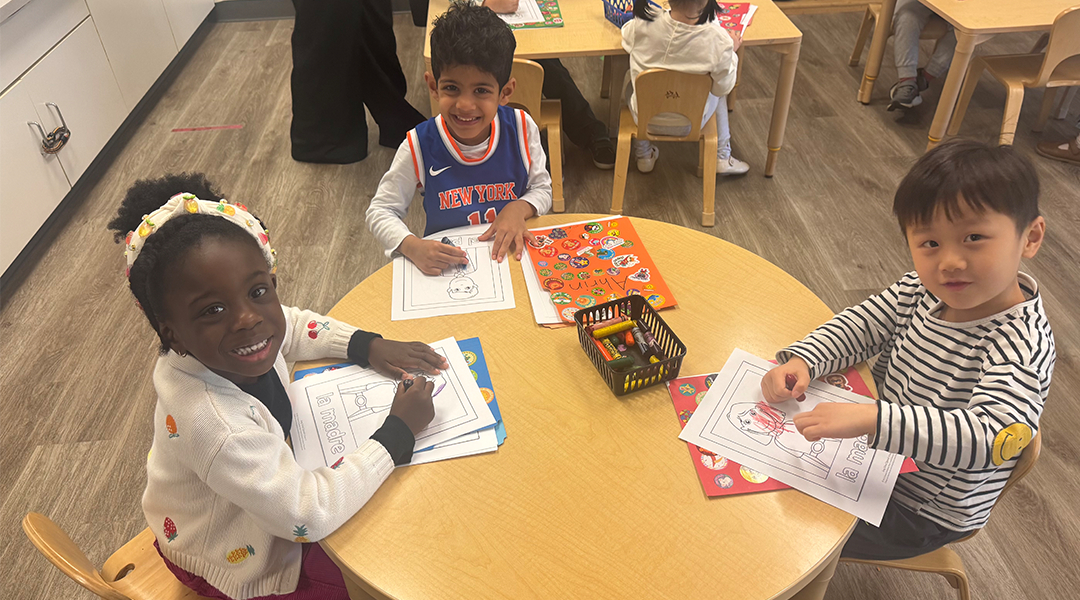
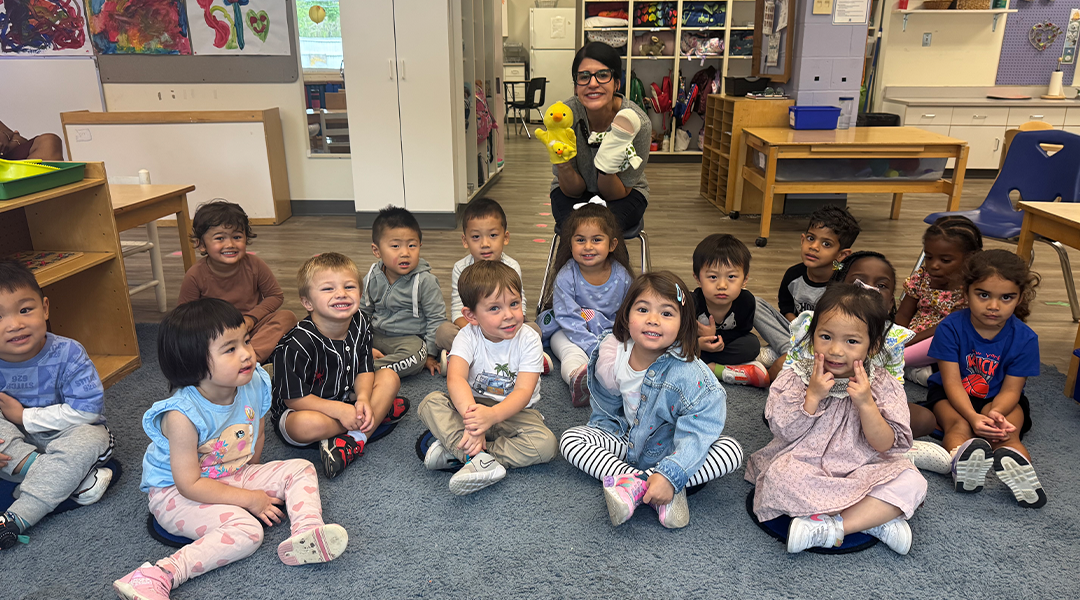
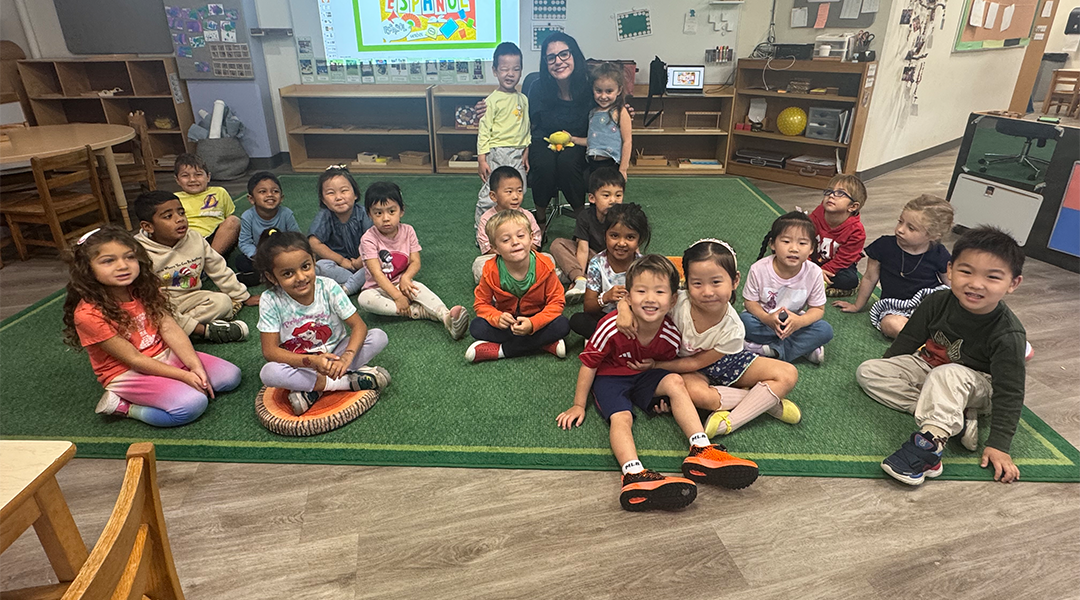
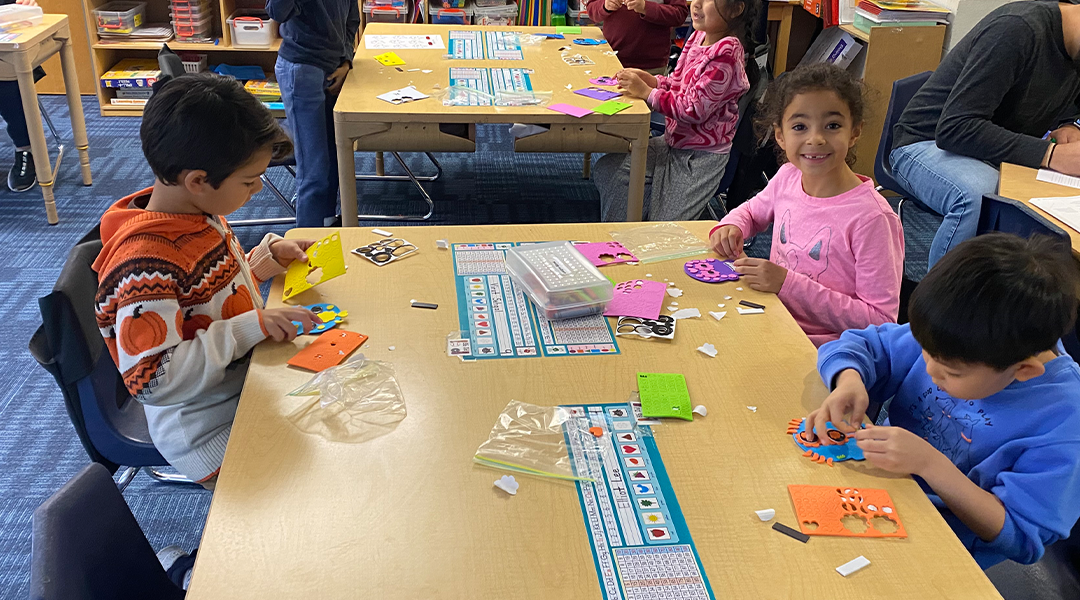
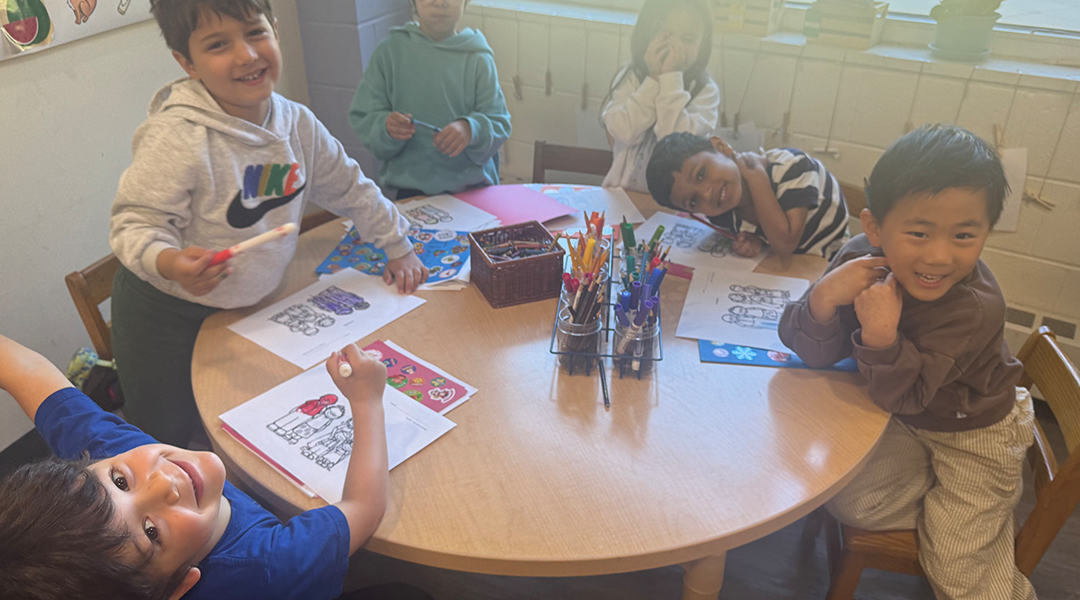
In Señora García’s Lower School Spanish classes, students are building skills, exercising their brains and building their cognitive reserves every time they speak Spanish. This semester, Preschool 3, Preschool 4, and Kindergarten have enjoyed learning about numbers, colors, shapes, parts of the body, family members, school, and days of the week. First through third grade students are furthering their language studies by expanding their knowledge of days, weeks, months, numbers, school subjects and supplies, weather, animals, and cultural topics as well. Students are learning high frequency vocabulary that will aid them in communication, cultural understanding, and they are boosting their brains in the process.