Building Linguistic Proficiency in Spanish Through Academic Practice
Submitted by Diana Sanchez, 4th and 5th Grade Spanish Teacher
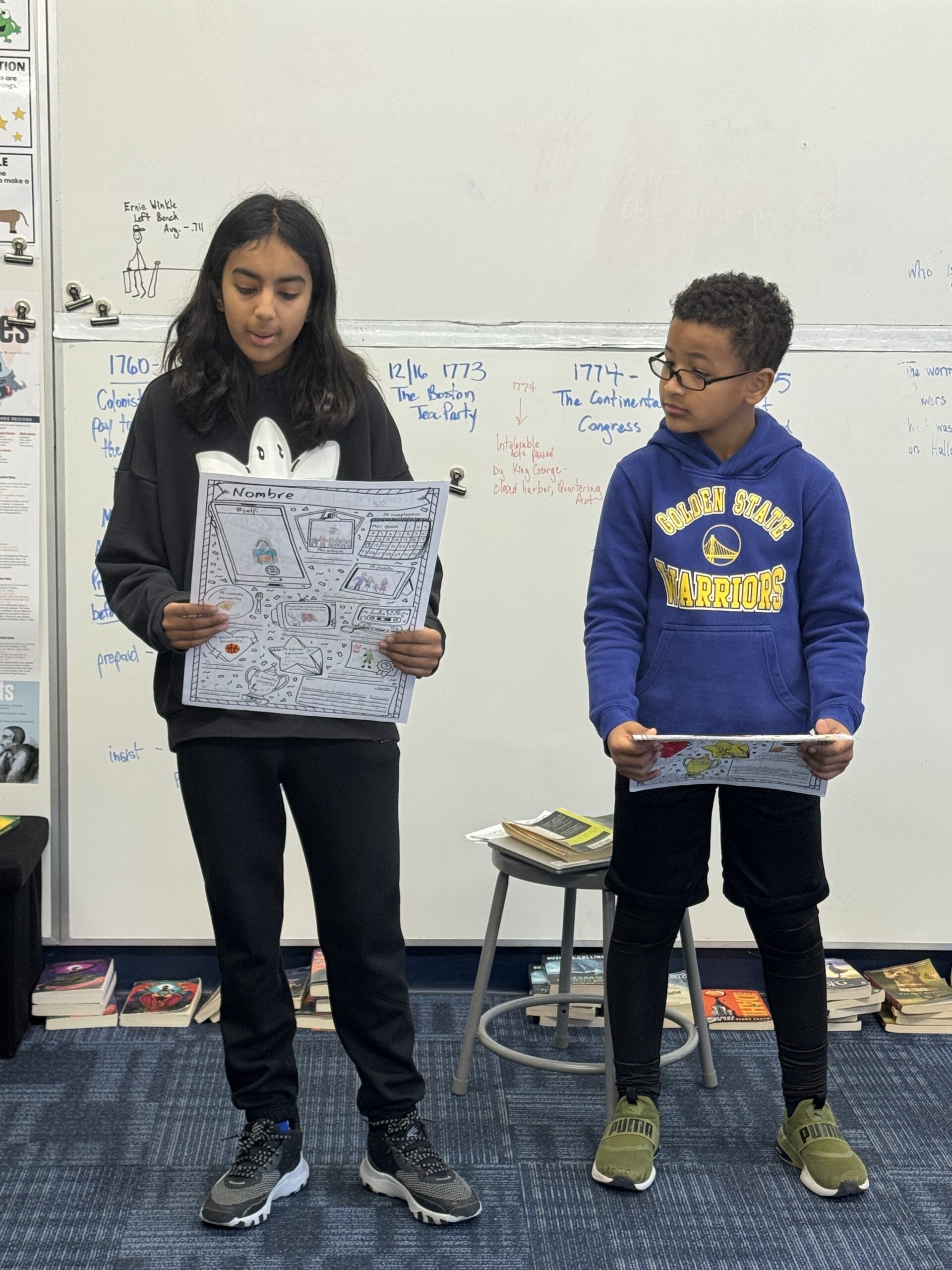
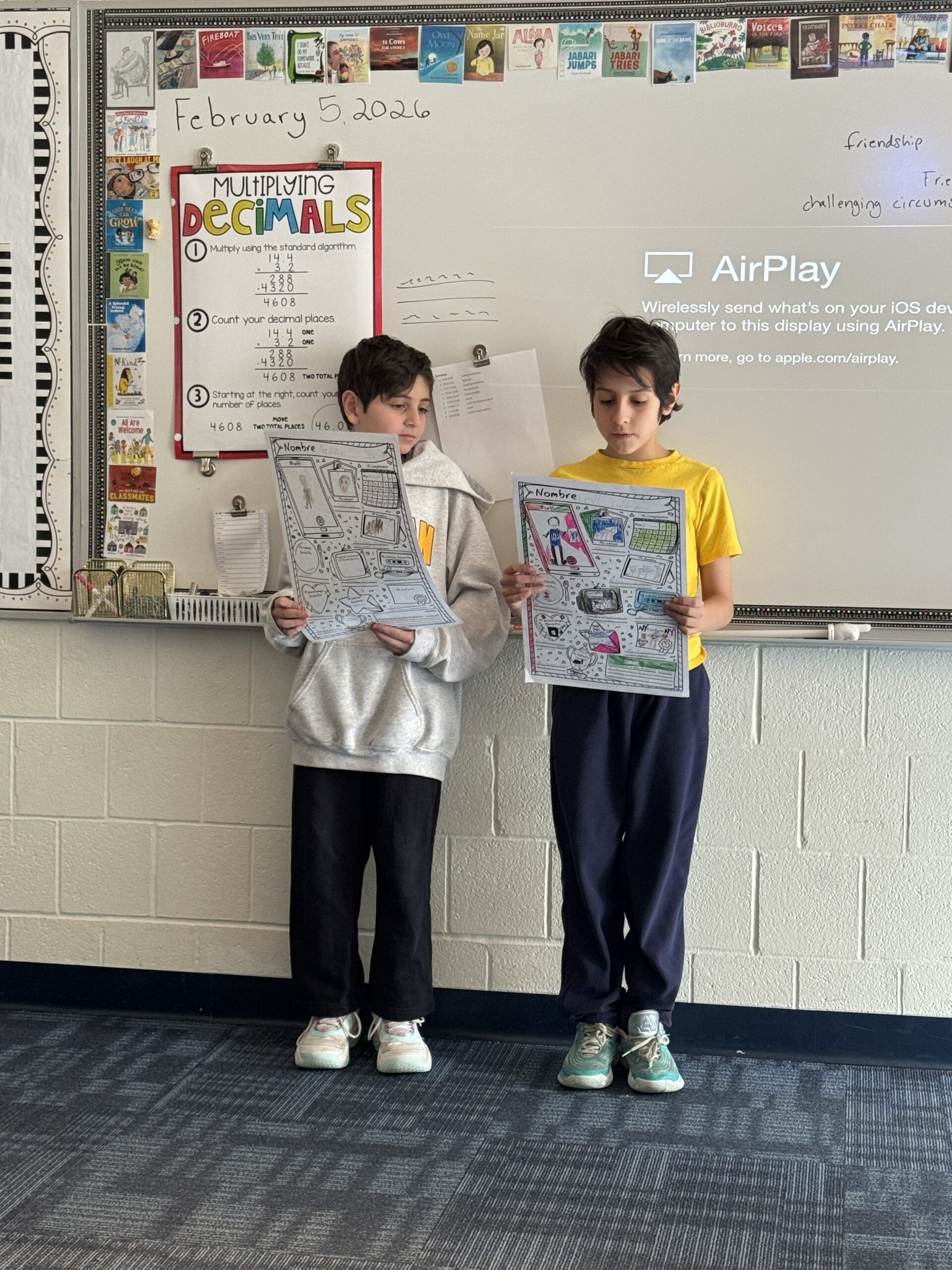
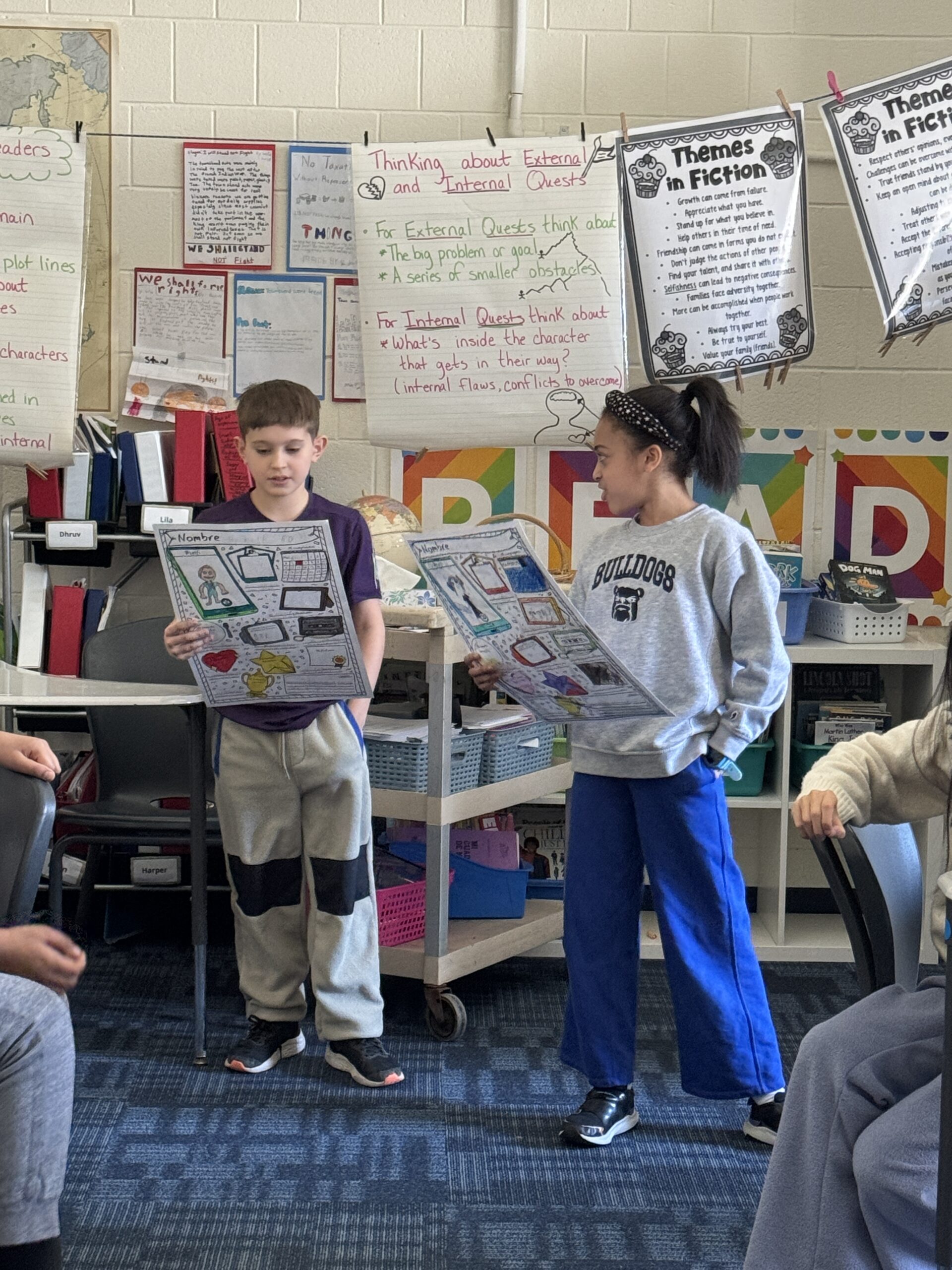
In the second semester, the fourth and fifth grade students read poems related to the seasons as well as short stories designed to improve their Spanish reading comprehension. They have also learned new vocabulary related to their interests and real-life situations. Additionally, students in each class reviewed calendar related vocabulary, such as fecha (date), día (day), mes (month), ayer (yesterday), mañana (tomorrow) and año (year). Each grade level has practiced both writing and speaking numbers in Spanish through various assignments connected to calendar and math activities. The students have further developed their communication skills in Spanish by engaging in conversations with classmates, both in pairs and groups about the topics covered in class. They also completed group projects that helped them practice writing, speaking and comprehension skills. In each class, students created complex sentences based on different topics introduced during lessons. Furthermore, students practiced pronunciation by asking and answering more complex questions in Spanish using complete sentences. To support their learning, they practiced interactive activities such music, videos, games and presentations, which reinforced their speaking, reading, and writing skills.
Fourth Grade
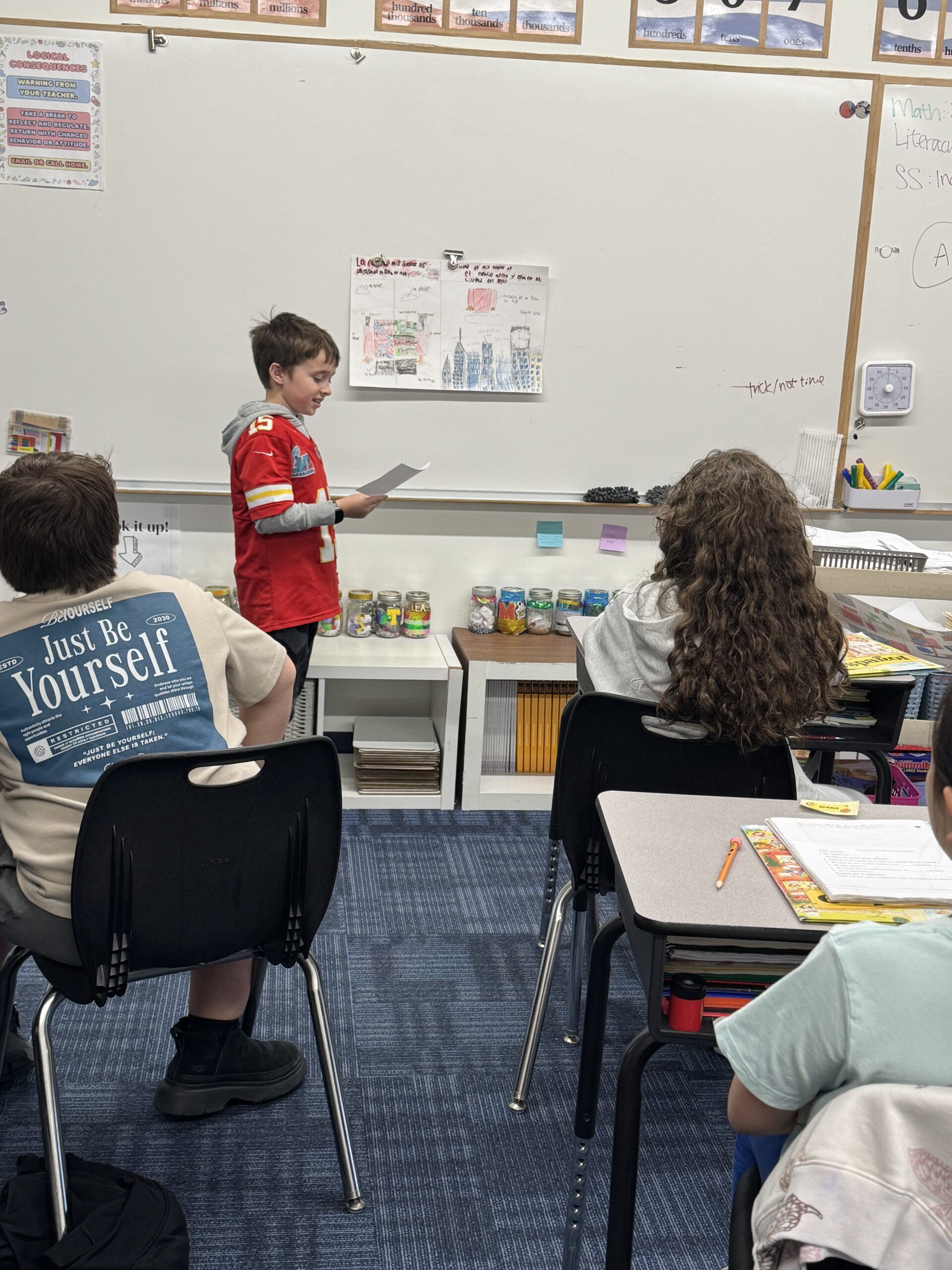
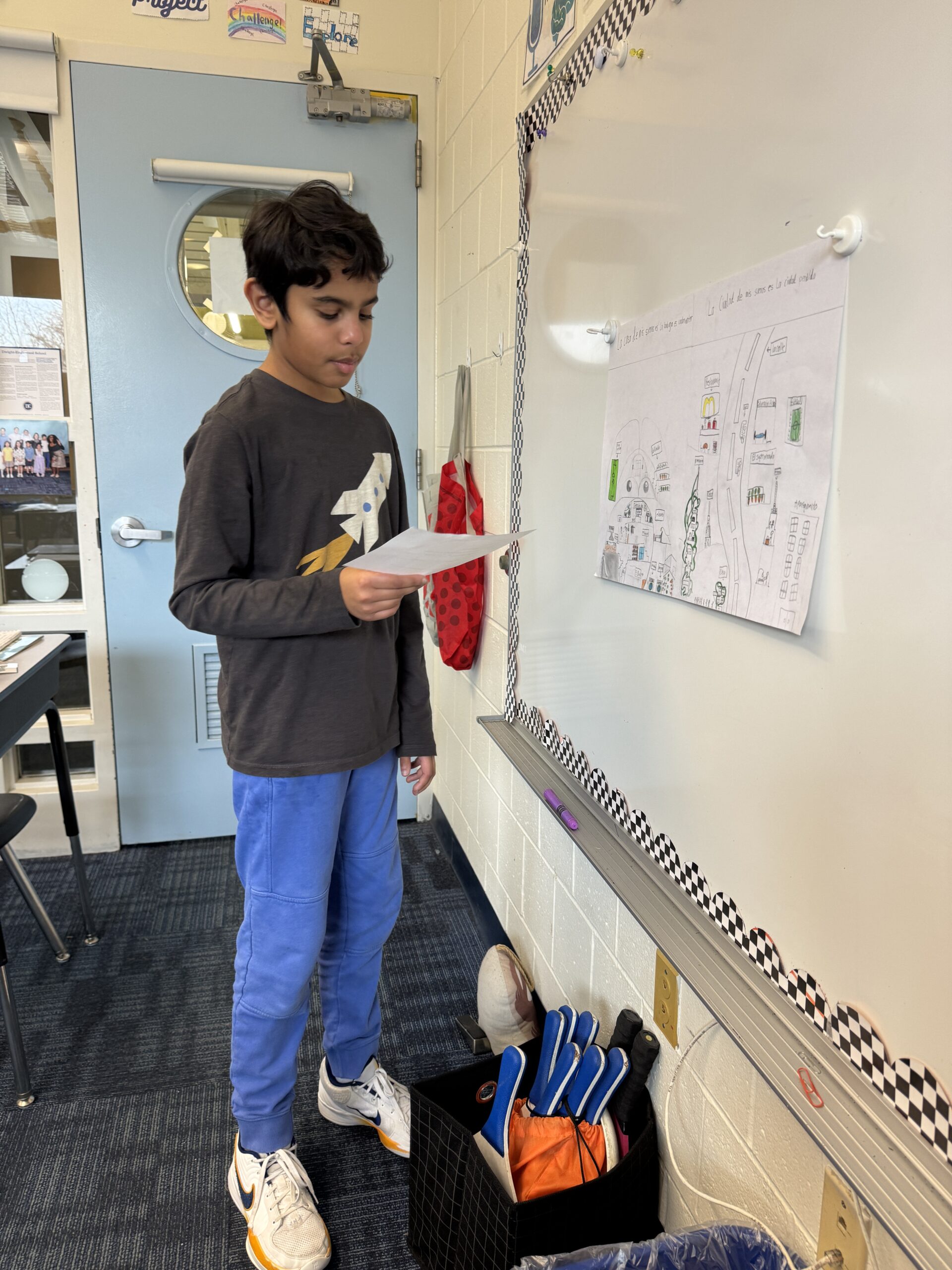
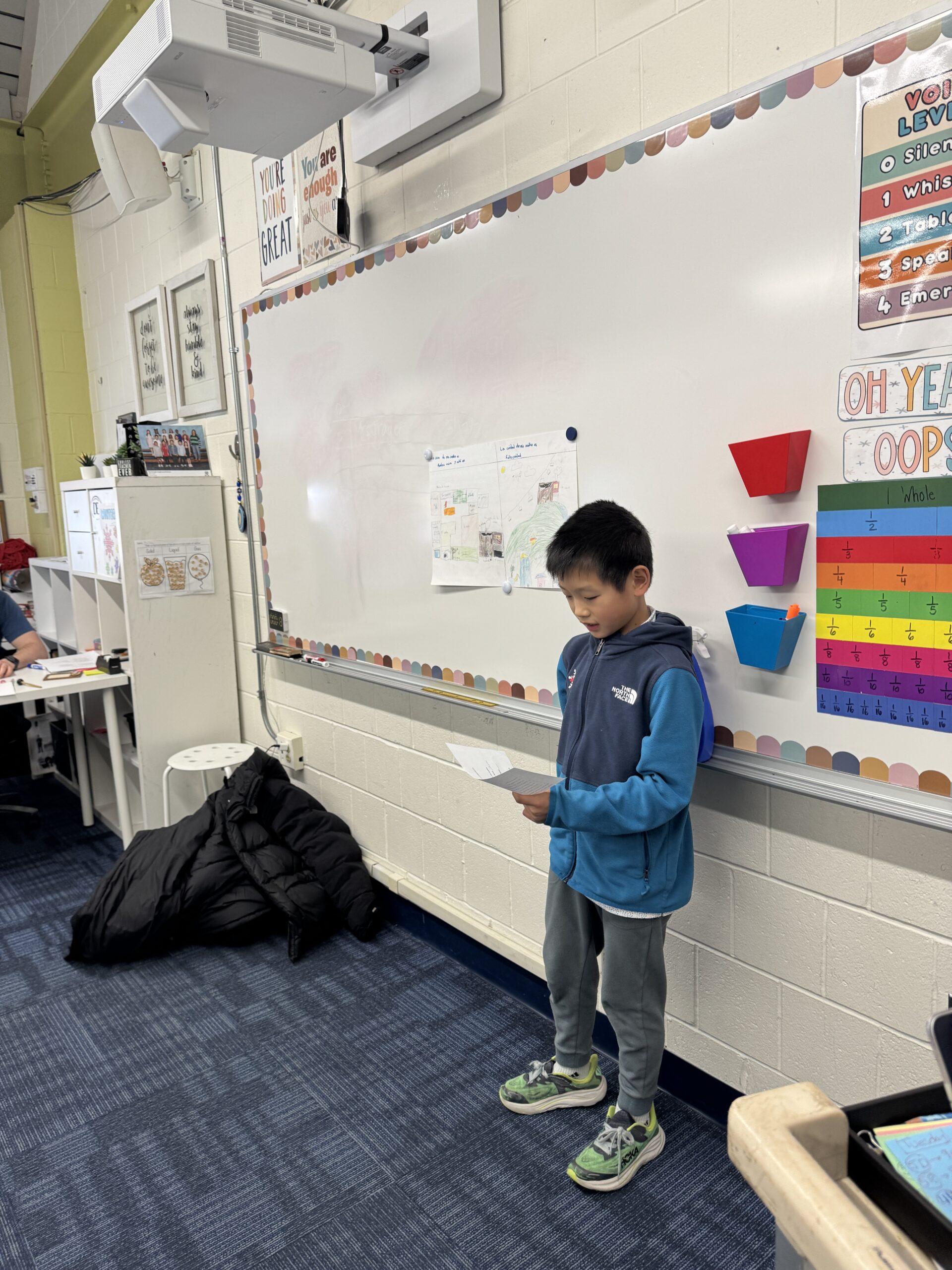
The fourth-grade students are currently expanding their Spanish vocabulary, focusing on topics such as parts of the house and places in the city. As part of this unit, they demonstrated creativity and comprehension by designing and illustrating posters of their “dream house” and the “dream city”. In addition to building vocabulary, students have been practicing pronunciation and oral communication skills. They presented their posters in class and recorded a short video in which they described their work using only Spanish vocabulary. This activity helped reinforce both speaking confidence and language accuracy. Students also completed various projects related to food and animals. They practice expressing preferences by learning to use the verb comer (to eat) in the presentence applying the correct conjugation according to different subject pronouns. To strengthen their conversation skills, students engaged in interactive activities where they asked and answered questions on a variety of topics. They also wrote short dialogues using newly learned vocabulary, choosing topics collaboratively to encourage engagement and communication. Moving forward, students will continue to develop their Spanish language by learning vocabulary related to family, possessive adjectives, parts of the body, among other topics.
Fifth Grade
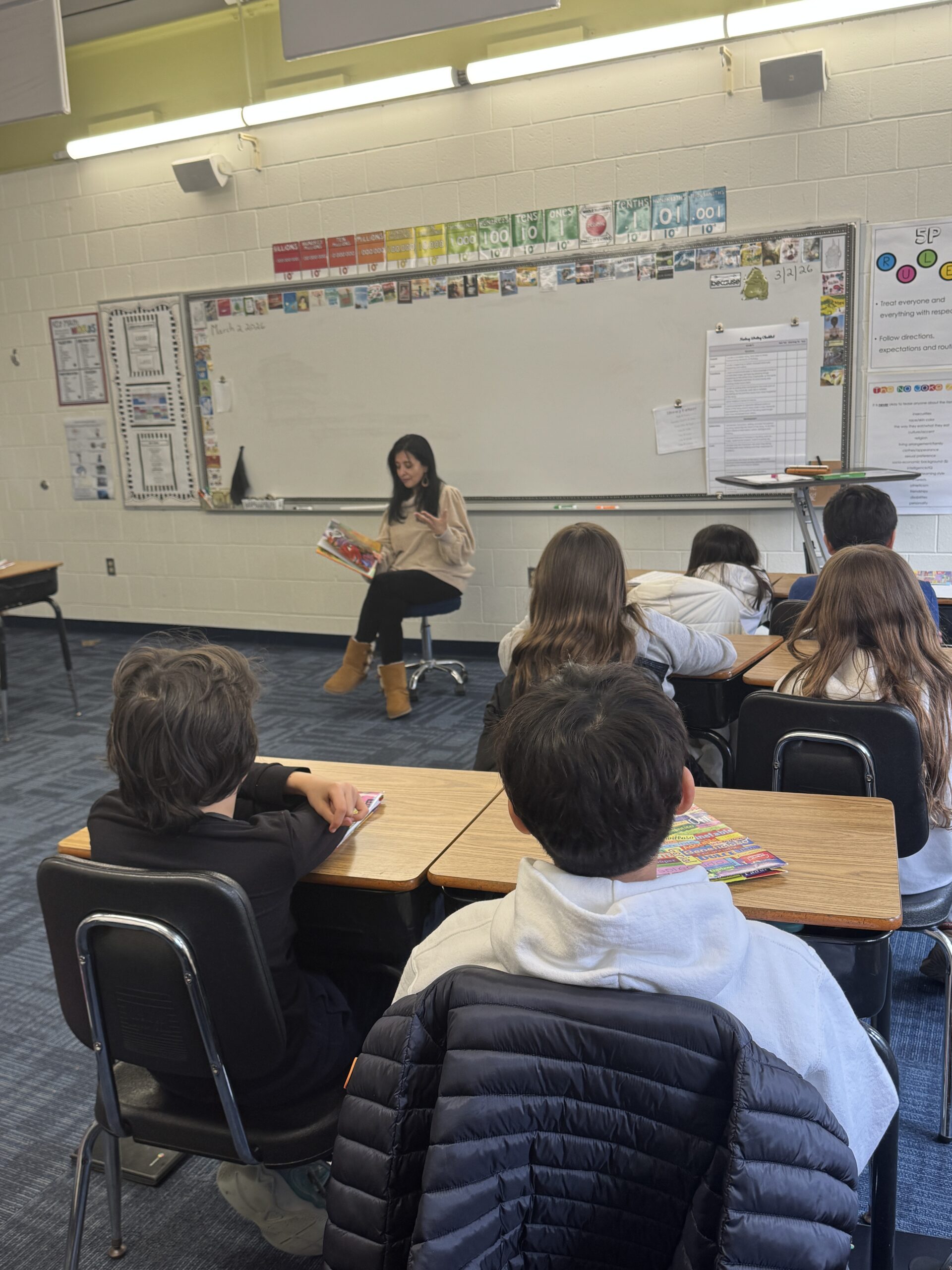
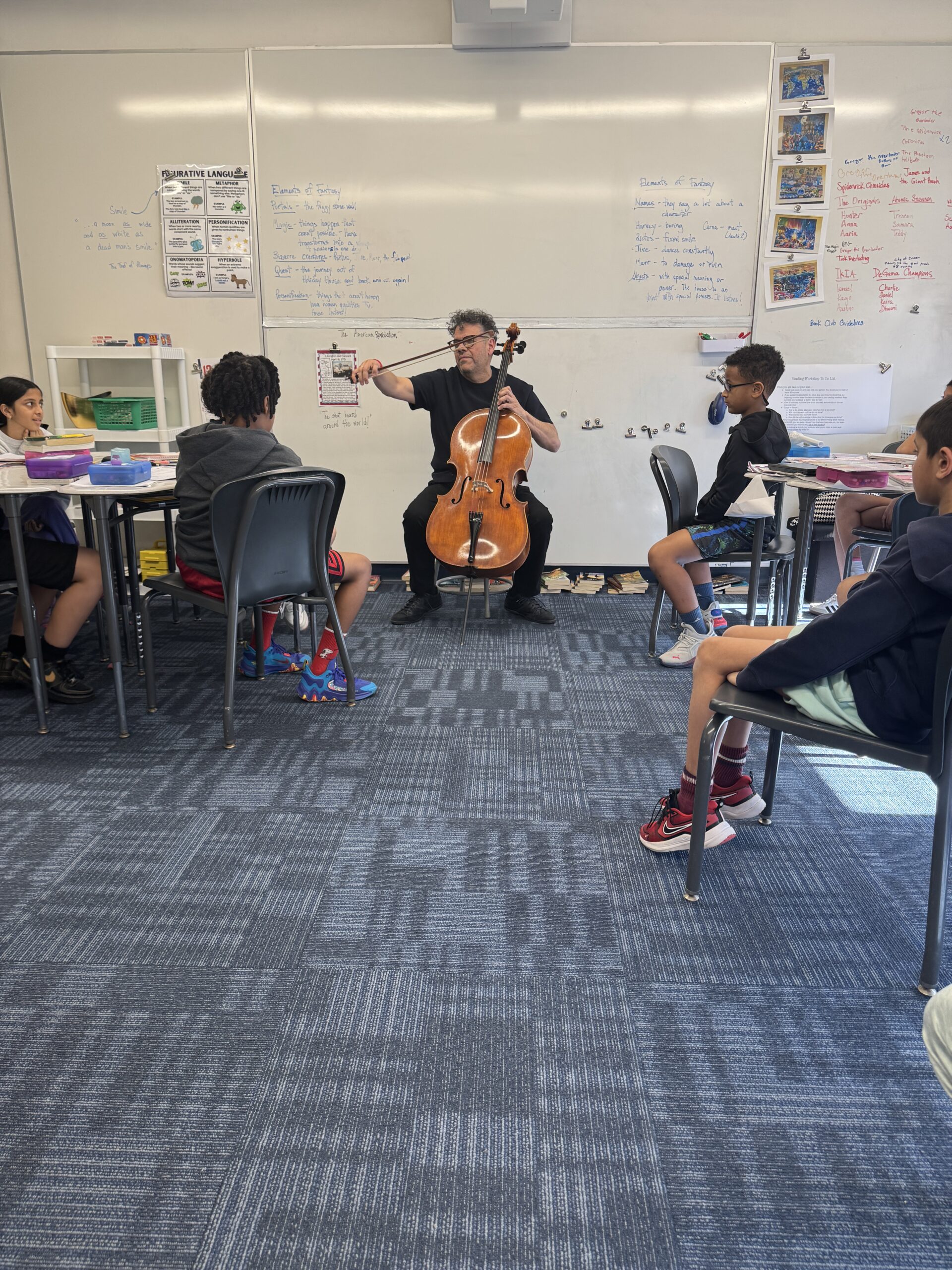
The fifth-grade students have been practicing singular and plural personal pronouns to form complete sentences, along with conjugation regular ar, er and ir verbs in the present tense, applying the correct forms based on both singular and plural subjects. In addition, students have strengthened their reading, writing and pronouncing skills by working with vocabulary related to household chores. They practice using the verb tener (to have) with the correct conjugation in context. To reinforce their learning, students recorded short videos at home in which they demonstrated and described various actions using the verbs they have studied. Reading comprehension has been an important component of instruction, answering questions in Spanish to demonstrate their understanding. They have also benefited from interactive experiences, including opportunities to interview Spanish-speaking guests from a variety of professions who visited the classroom. To further support language development, students complete additional exercises both at home and occasionally in class using the Duolingo platform, which helps reinforce comprehension, writing, and speaking skills. Looking ahead, students will continue studying verbs conjugations, including poder (to be able) and ir (to go). They will also begin a creative project in which they design their own restaurant, learning food related vocabulary and practicing useful expressions commonly used in a restaurant setting.