Developing Spanish Proficiency and Cultural Awareness in Fourth and Fifth Grade
Submitted by Diana Sanchez, 4th and 5th Grade Spanish Teacher
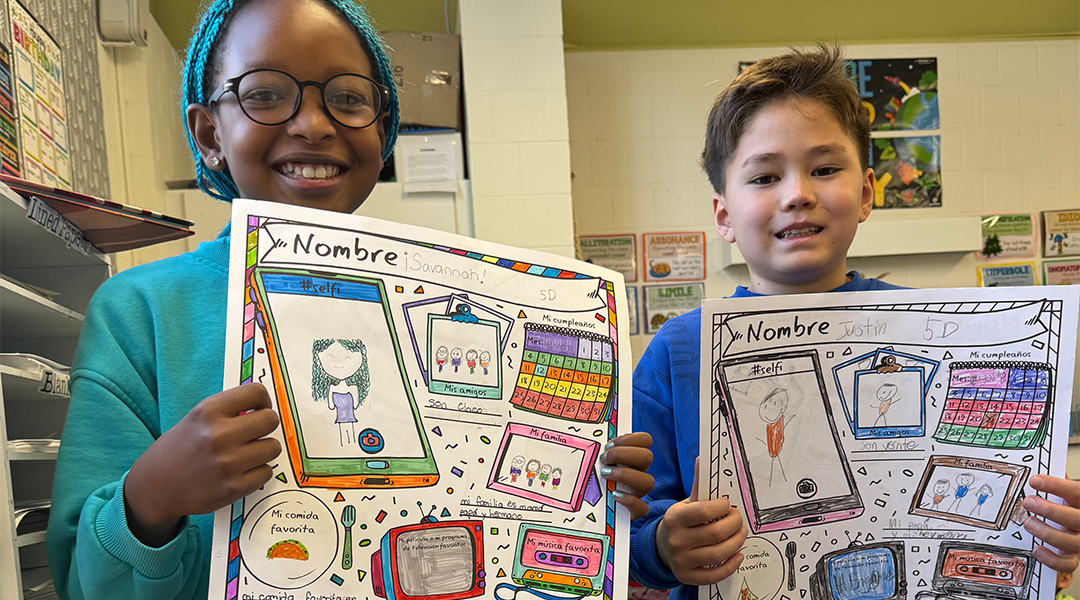
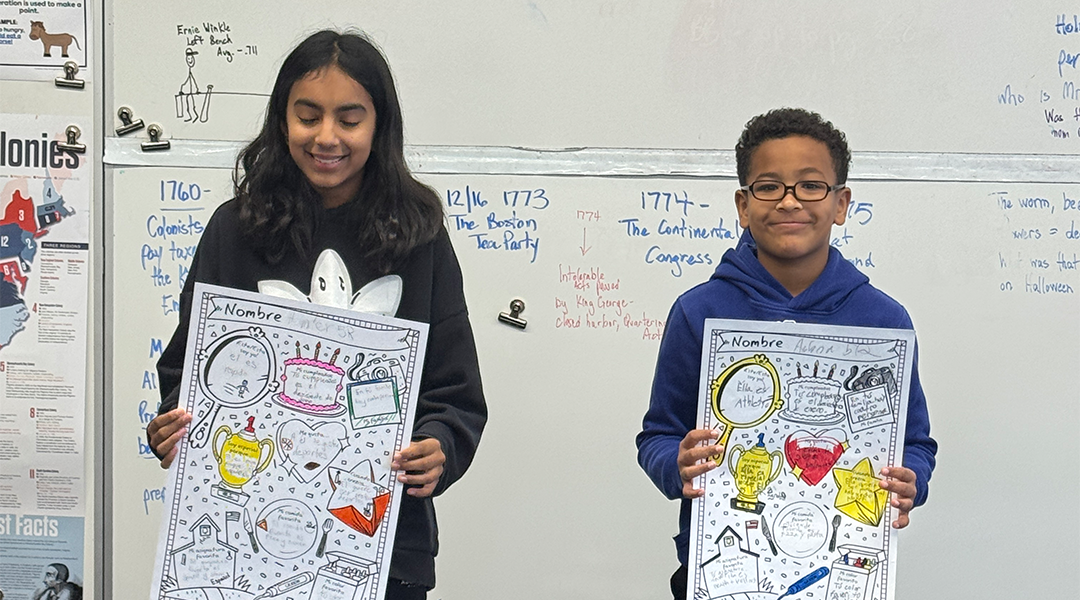
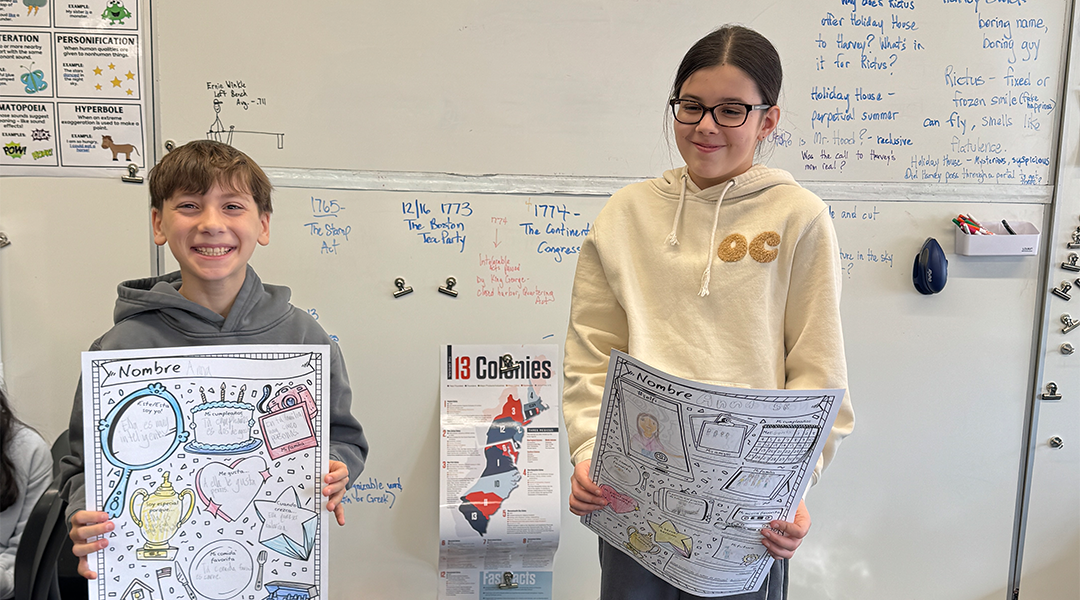
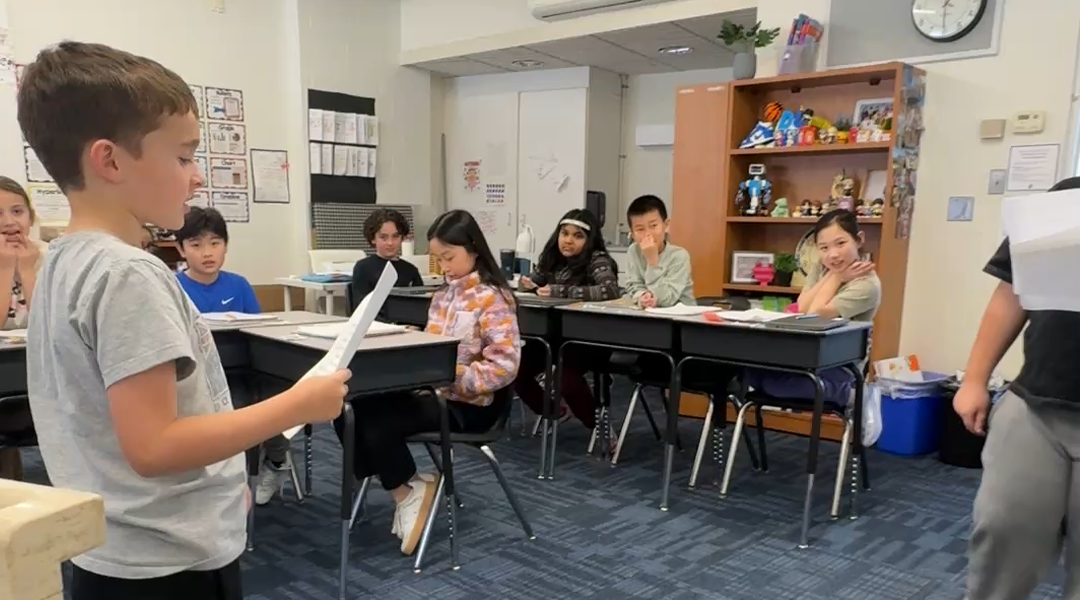
Students in fourth and fifth grade are actively building their Spanish language skills through speaking, reading and comprehension activities. They develop strong communication skills by constructing complete sentences on topics such as weather, holidays, greetings, the calendar, seasons and numbers. Students use common classroom expressions appropriately and engage in simple conversations with peers. They demonstrate growing confidence in speaking by describing themselves using complete sentences, sharing personal information and practicing pronunciation and fluency through structured speaking and recording activities. Additionally, students strengthen reading comprehension by reading short poems and paragraphs in Spanish. Through songs, games, and videos, they refine pronunciation and expand vocabulary. Students also explore Hispanic Heritage Month by creating Google Slides presentations and posters about their favorite Spanish-speaking countries and notable Hispanic figures.
Fourth-grade students developed skills using definite and indefinite articles in both plural and singular forms. They practiced reading, writing and pronouncing questions words in Spanish, as well as forming complete questions to engage in peer conversations. Students also learned to express, demonstrate, write, and pronounce
feeling words. Through structured activities, they identified vocabulary related to classroom objects. Each week, new learning objectives were introduced, such as opposites, which help students understand the differences between adjectives and apply them correctly in complete sentences. Additionally, students learned to identify and name the parts of the house.
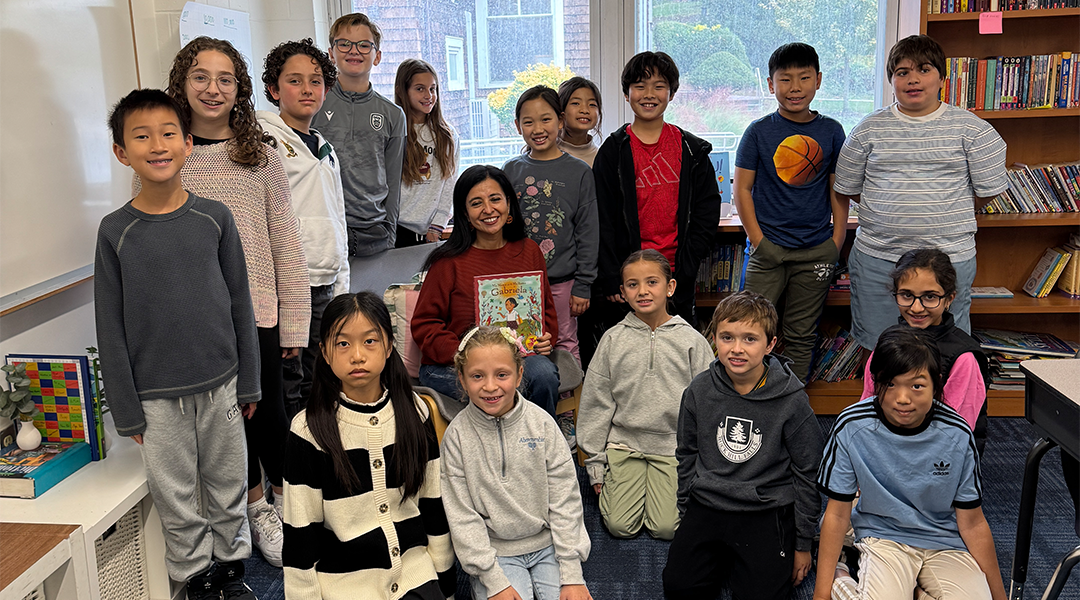
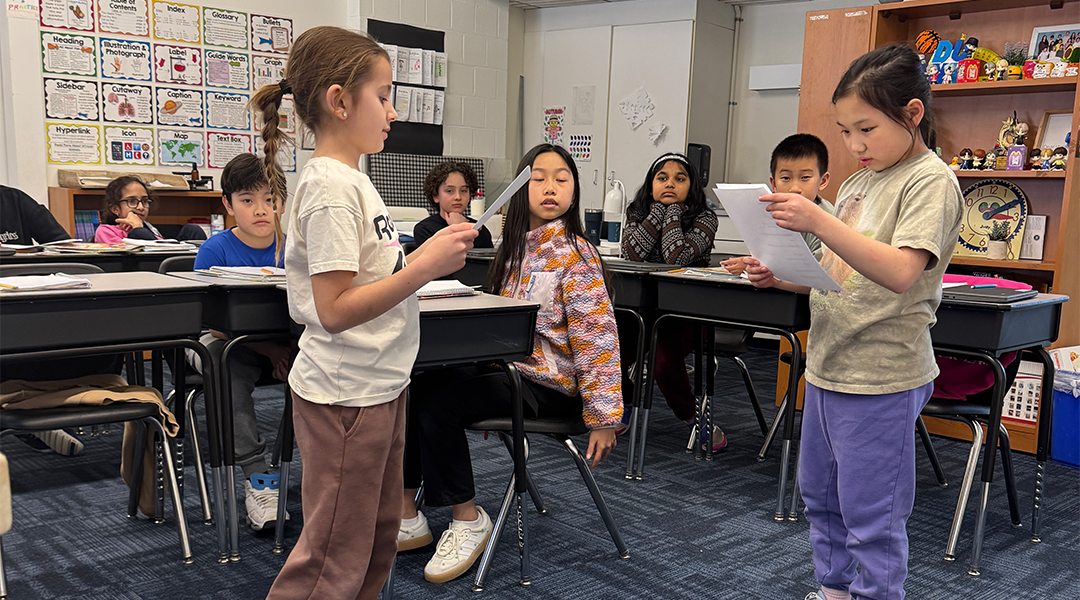
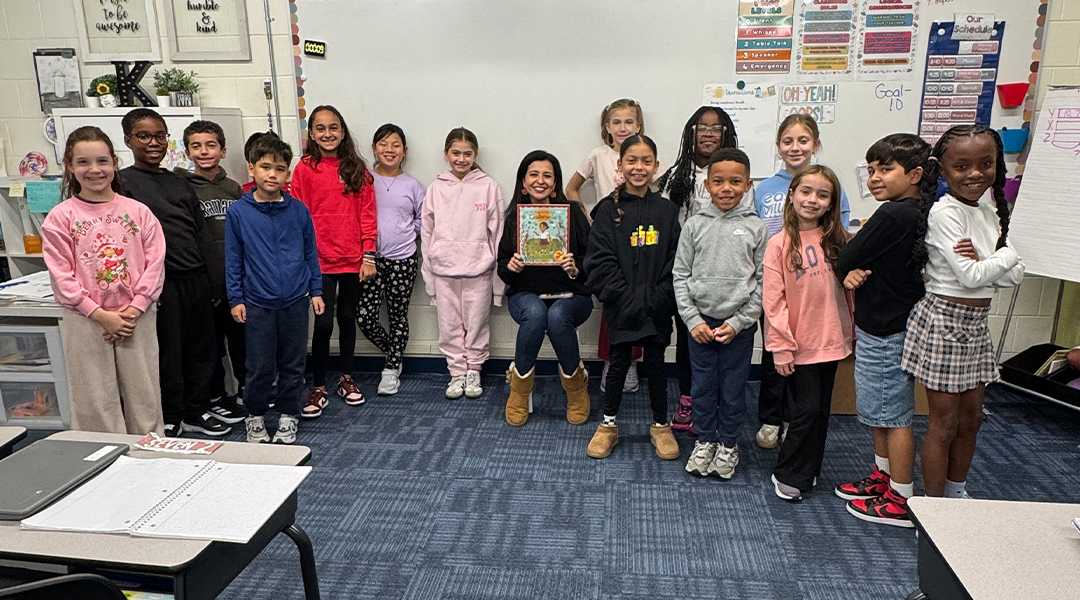
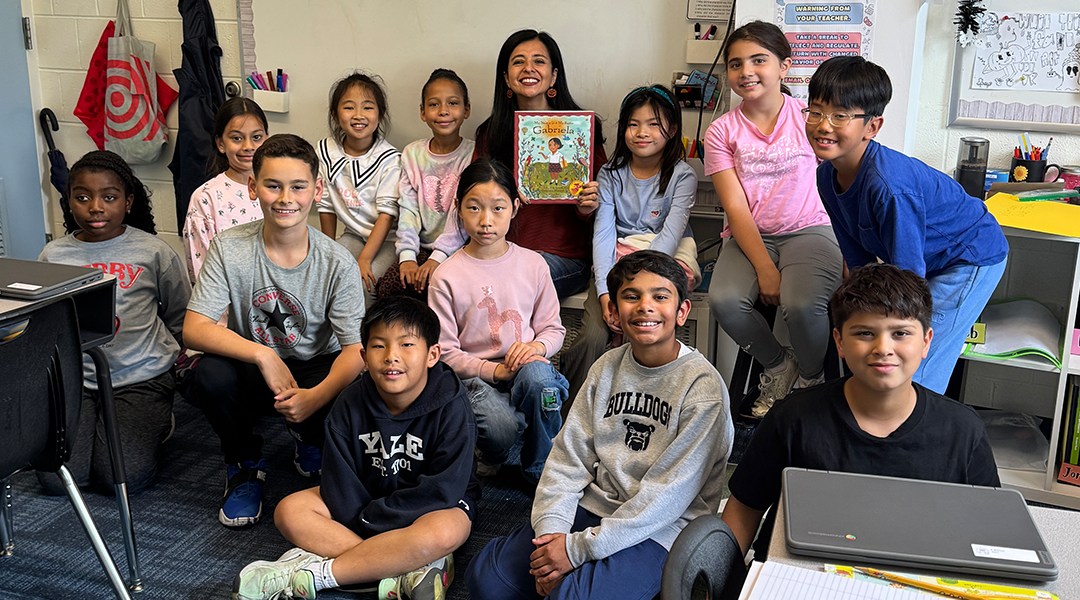
Fifth-grade students strengthened their understanding of singular and plural personal pronouns and their use in forming complete sentences. They learned to conjugate the verbs to be “ser, estar” in a sentence according to singular and plural pronouns, enabling them to communicate accurately in the present tense. Students wrote short paragraphs incorporating newly learned vocabulary and practiced using question words with the personal pronouns to improve communication skills. They engaged in extended peer conversation by applying question words and verbs introduced weekly. Additionally, students interviewed Spanish-speaking guests using self-created questions, which enhanced their speaking, listening, and interpersonal skills while allowing them to explore diverse ways to express themselves in Spanish.